
Mid-Century Modern Windows- An Overview
Mid-Century Modern Windows
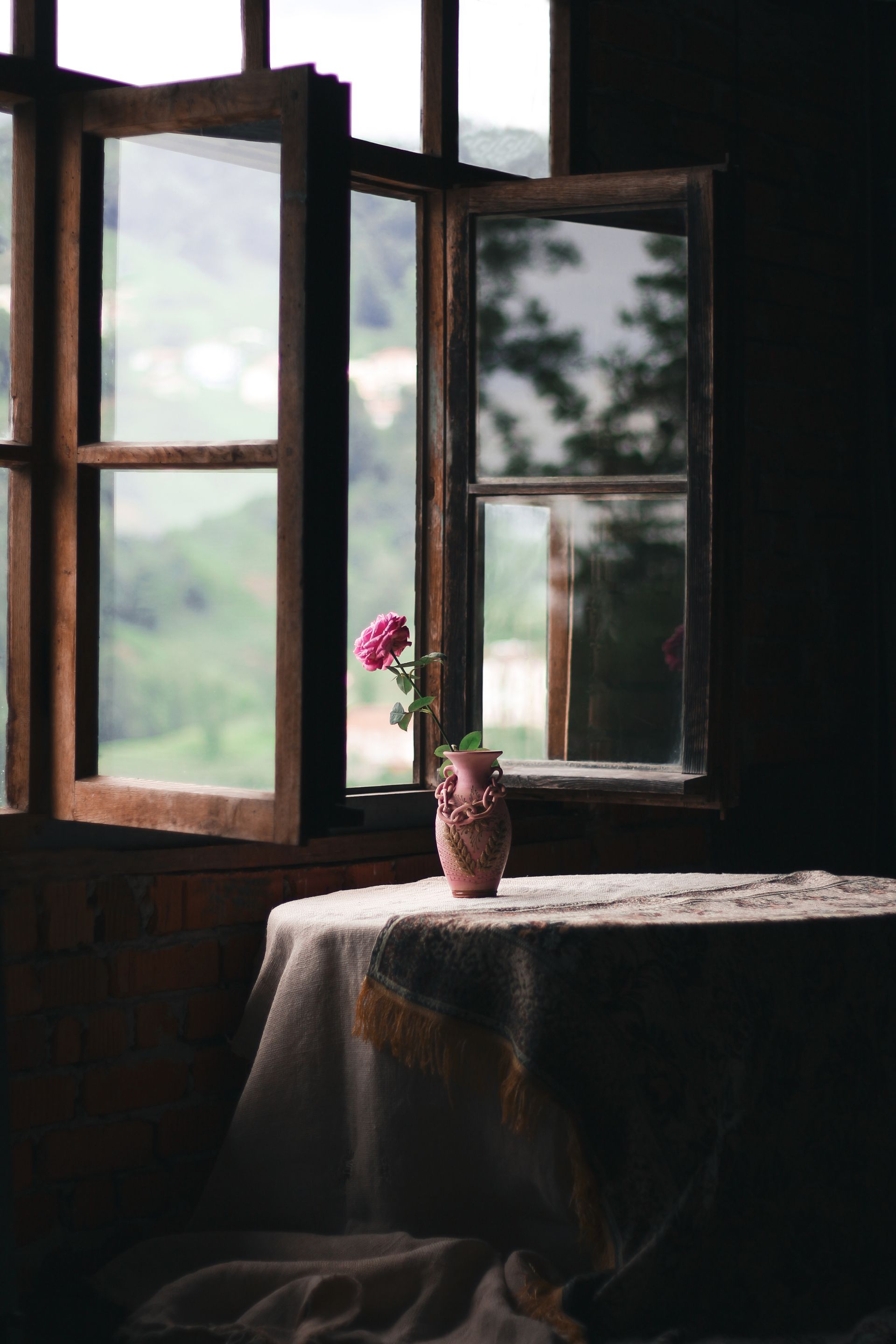
Mid-Century Modern Windows: An Overview
Definition and Style Characteristics: Mid-Century Modern windows are a distinctive feature of the Mid-Century Modern architectural style, which was prevalent from the mid-1940s to the mid-1960s. This design aesthetic emphasizes simplicity, functionality, and a strong connection to nature. Mid-Century Modern windows are characterized by their clean lines, minimalistic frames, and large panes of glass that maximize natural light and offer unobstructed views of the outdoors.
Design Elements:
- Large Panes of Glass: The hallmark of Mid-Century Modern windows is the use of large, expansive panes of glass. These windows are designed to blur the line between indoor and outdoor spaces, creating a seamless connection with nature.
- Minimalist Frames: The window frames in Mid-Century Modern design are typically slim and unadorned. They are often made from materials like aluminum or steel, which can support large panes of glass without being bulky.
- Horizontal Emphasis: Many Mid-Century Modern windows have a horizontal orientation, reflecting the overall horizontal lines of the architecture. This design choice enhances the low, long appearance of Mid-Century Modern homes.
- Fixed and Operable Windows: Mid-Century Modern homes often feature a combination of fixed and operable windows. Fixed windows provide expansive views and maximize light, while operable windows offer ventilation.
Where They Are Used:
- Residential Homes: Mid-Century Modern windows are most commonly found in residential homes built during the mid-20th century. These homes, often located in suburban areas, are designed to integrate with their natural surroundings.
- Public Buildings: Some public buildings, such as schools and office buildings constructed during the Mid-Century Modern period, also feature this window style. The emphasis on natural light and open spaces made these windows a popular choice for functional public architecture.
- Renovations and Restorations: Today, Mid-Century Modern windows are often used in renovations and restorations of period homes. Homeowners and architects seek to preserve the authentic look and feel of Mid-Century Modern architecture by maintaining or replicating the original window styles.
Important Details:
- Energy Efficiency: One challenge with original Mid-Century Modern windows is that they may not be as energy-efficient as modern windows. However, contemporary versions can be made with double or triple glazing, low-E coatings, and insulated frames to improve thermal performance.
- Customization: Custom windows are often necessary to match the unique specifications and proportions of Mid-Century Modern designs. This customization ensures that the windows fit perfectly within the architectural context and maintain the integrity of the design.
- Maintenance and Preservation: For those restoring original Mid-Century Modern homes, maintaining the integrity of the windows is crucial. This may involve refurbishing the existing frames and glass or sourcing historically accurate replacements that meet modern building codes.
Materials Used in Mid-Century Modern Windows
Mid-Century Modern windows are distinctive not just for their design but also for the materials used in their construction. The choice of materials plays a crucial role in achieving the sleek, minimalistic look characteristic of this architectural style.
1. Aluminum:
Properties and Characteristics: Aluminum was a popular material for Mid-Century Modern windows due to its strength, lightweight nature, and ability to support large panes of glass with minimal framing. It provided the necessary structural support without adding bulk, thus maintaining the clean lines and unobstructed views central to Mid-Century Modern design.
Advantages:
- Durability: Aluminum is resistant to rust and corrosion, making it a long-lasting choice.
- Low Maintenance: Aluminum windows require minimal upkeep compared to wood.
- Thin Profiles: The strength of aluminum allows for thin, unobtrusive frames that maximize glass area.
Considerations:
- Thermal Conductivity: Aluminum is a good conductor of heat, which can lead to poor thermal performance. Modern versions often include thermal breaks to improve insulation.
2. Steel:
Properties and Characteristics: Steel was another material used in Mid-Century Modern windows, particularly in high-end and commercial applications. Steel frames are exceptionally strong and can be manufactured to very fine tolerances, creating a sleek and precise appearance.
Advantages:
- Strength: Steel’s high tensile strength allows for even thinner profiles than aluminum, supporting large expanses of glass.
- Aesthetic Appeal: Steel frames have a distinctive industrial look that complements the Mid-Century Modern aesthetic.
Considerations:
- Corrosion: Steel can corrode if not properly treated, requiring regular maintenance or protective coatings.
- Weight: Steel is heavier than aluminum, which can complicate installation and handling.
3. Wood:
Properties and Characteristics: While less common in Mid-Century Modern architecture compared to aluminum and steel, wood was still used, especially in residential settings where a warmer, more natural look was desired. Wood frames provided a contrast to the sleek glass and metal elements.
Advantages:
- Insulation: Wood is a natural insulator, offering better thermal performance than metal frames.
- Aesthetic Versatility: Wood can be stained or painted in various finishes to match interior and exterior design elements.
Considerations:
- Maintenance: Wood requires more upkeep, including regular painting or sealing to prevent rot and insect damage.
- Cost: High-quality wood frames can be more expensive than metal alternatives.
4. Fiberglass:
Properties and Characteristics: Fiberglass is a modern material that mimics the look of wood but offers greater durability and lower maintenance. Although not used during the original Mid-Century Modern period, it has become a popular choice for contemporary restorations and new constructions seeking the Mid-Century Modern look.
Advantages:
- Durability: Fiberglass resists warping, rotting, and corrosion.
- Energy Efficiency: Fiberglass frames can be filled with insulation, providing excellent thermal performance.
- Aesthetics: Fiberglass can be molded to mimic the appearance of wood while maintaining slim profiles.
Considerations:
- Cost: Fiberglass can be more expensive upfront compared to some other materials.
- Availability: Custom sizes and shapes may have longer lead times.
5. Composite Materials:
Properties and Characteristics: Composite materials, such as those combining wood fibers with polymer resins, offer the benefits of both wood and plastic. These materials are designed to provide the aesthetic appeal of wood with the durability and low maintenance of synthetic materials.
Advantages:
- Strength and Durability: Composites are resistant to rot, mold, and insect damage.
- Thermal Performance: These materials often have good insulating properties.
- Versatility: Composite materials can be manufactured in various colors and finishes, including wood grain textures.
Considerations:
- Cost: Composite windows can be more expensive than traditional wood or aluminum options.
- Environmental Impact: The production of composite materials can have a higher environmental footprint compared to natural wood.
The materials used in Mid-Century Modern windows were chosen to enhance the architectural style's emphasis on simplicity, functionality, and a strong connection to the outdoors. Aluminum and steel provided the necessary strength for large glass panes while maintaining minimalistic frames. Wood offered a natural, warm aesthetic for residential applications, and modern materials like fiberglass and composites are now used to replicate the Mid-Century Modern look with improved performance. Each material has its advantages and considerations, making the choice dependent on specific project requirements and design goals.
Architectural Impact: Mid-Century Modern windows play a critical role in defining the aesthetic and functional qualities of Mid-Century Modern architecture. Their design promotes an open, airy atmosphere that emphasizes simplicity and a connection to nature. The use of large glass panes allows for abundant natural light, making interior spaces feel larger and more inviting.
In summary, Mid-Century Modern windows are a key element of the architectural style that emphasizes minimalism, functionality, and a strong indoor-outdoor connection. They are found in residential homes, some public buildings, and are a popular choice for renovations aiming to preserve the Mid-Century Modern aesthetic. The defining features include large glass panes, minimalistic frames, and a horizontal emphasis, all contributing to the distinctive look and feel of Mid-Century Modern design.
4o
For a Free-No Obligation Estimate for Uni-Shield replacement windows in your home give Universal Windows Direct of Syracuse a call at 315-288-6855 or visit us at UniversalWindowsSyracuse.com. Universal Windows Direct of Syracuse carries the Uni-Shield line of energy efficient Bay and Bow windows. With many options of size, color and shapes our design consultants can create a bay or bow window to beautify your home. Call now or fill out our contact form on our website to arrange a free no-obligation consultation. Energy-efficient windows, siding, and doors at value-added pricing direct to the homeowner. 0% financing is always available. We are professional contractors that specialize in windows, siding, and Syracuse doors installation. Call now to schedule a quote.