
Can You Repaint or Restain Existing Entry Doors in Syracuse, NY?
If you own entry doors in Syracuse, NY that look faded, peeled, or beaten down by years of weather, you might assume the only option is tearing them out entirely. That assumption costs homeowners thousands of unnecessary dollars every year. Lake-effect snow, road salt splash, freeze-thaw cycles, and relentless summer sun hammer every front door in this region, turning a once-sharp finish into something embarrassing in just a few seasons. The good news is that entry doors can be repainted or restained in Syracuse, NY with careful preparation and the right products. Refinishing enhances the aesthetic appeal of older doors and protects them from further damage. However, some doors are beyond a cosmetic fix and genuinely need replacement for energy efficiency, security, and unsurpassed quality.
Key Takeaways
- Most existing entry doors in Syracuse, NY can be repainted or restained as long as the slab and frame remain structurally sound.
- Central New York weather, including lake-effect snow, road salt, UV exposure, and freeze-thaw cycles, significantly shortens the life of paint and stain on exterior doors.
- Repainting or restaining can delay full door replacement and save homeowners considerable money, but these cosmetic fixes cannot resolve serious rot, warping, or security failures.
- Homeowners can often tackle simple refinishing projects themselves, but a professional door installation service is the better path when the door or frame is failing.
Can Your Existing Front Door Be Repainted or Restained? First-Time Assessment
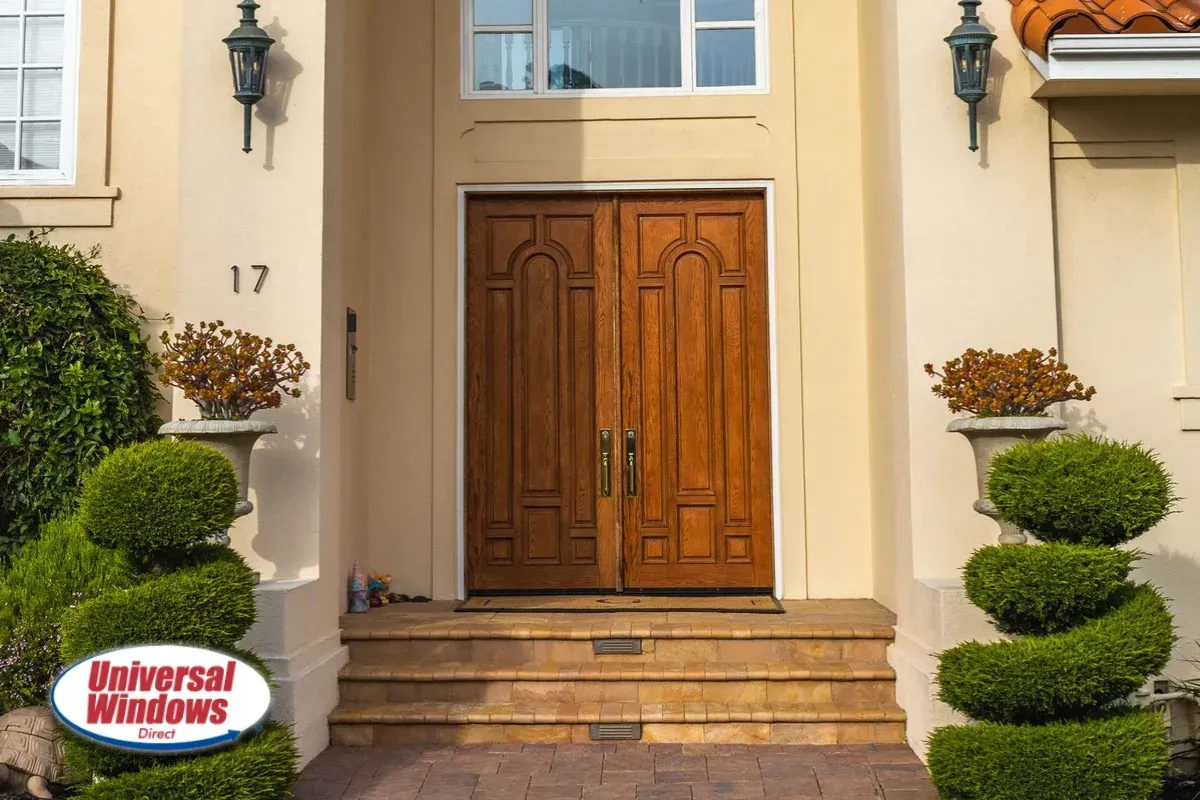
Before you buy a single can of paint or stain, you need to determine whether your door is a good candidate for refinishing. Here is how to approach an honest assessment for the first time.
- Look closely at the finish. Peeling, chalking, hairline cracks, and fading are cosmetic problems that repainting or restaining can solve. Repainting is best for doors with peeling paint or when changing colors, while restaining preserves the natural grain of a wooden front door.
- Check for structural damage. Push firmly on the bottom rail and probe the lower edges with a screwdriver or awl. Soft spots in wood indicate rot. On steel, look for bubbling rust beneath the paint surface.
- Open and close the door several times. If it rubs against the jamb, sticks in summer, or pulls away from weatherstripping in winter, warping may be the real issue, and no amount of stain will correct it.
- Look for daylight around the edges when the door is closed. Visible light gaps mean the frame is badly out of square or the slab has shifted. These are signs you should explore professional entry door replacement rather than refinishing.
- In Syracuse, salt spray from winter roads accelerates corrosion on the lower panels of exterior doors. Pay close attention to the bottom six inches of any steel or wood door facing the street.
Refinishing can extend the lifespan of a door significantly, but only when the underlying structure is solid. Cosmetic failures are fair game. Structural failures are not.
How Syracuse's Climate Affects Paint, Stain, and Exterior Door Lifespan
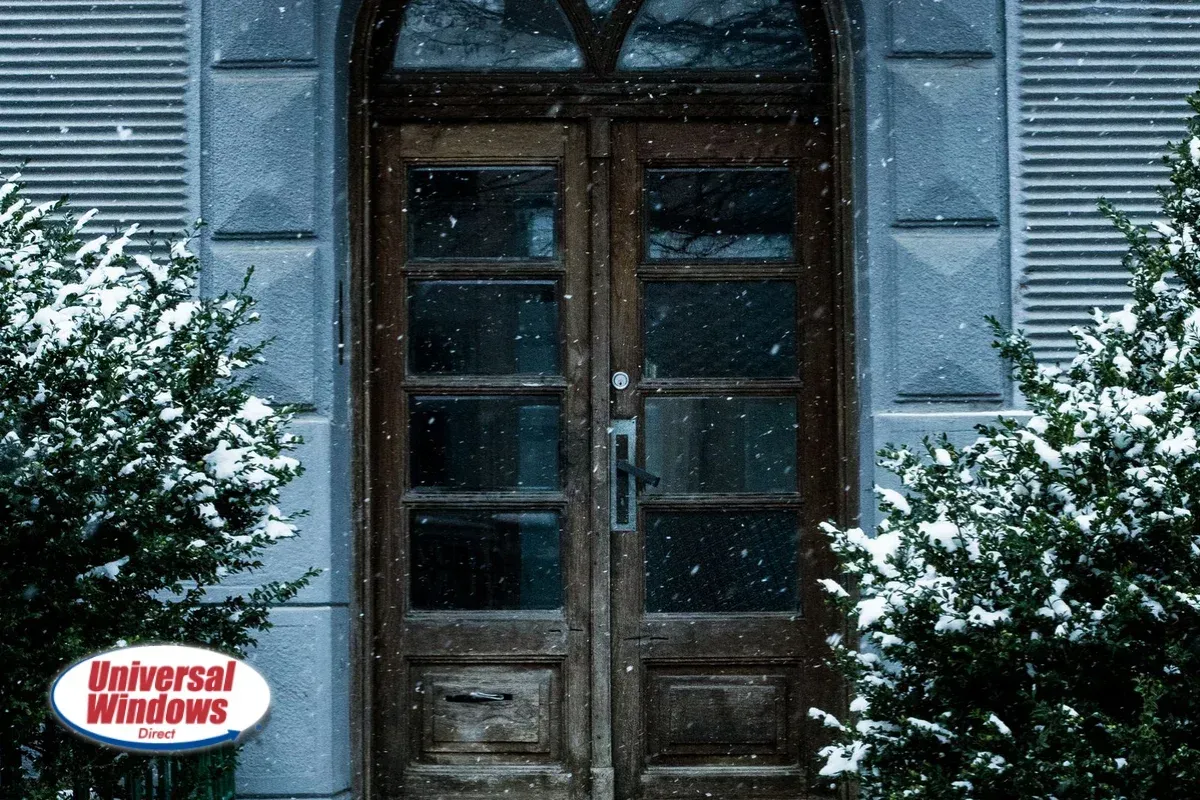
Syracuse experiences heavy moisture and temperature fluctuations throughout the year. These conditions make finish maintenance a recurring part of homeownership here.
- Heavy snow, frequent rain, high humidity, and wide temperature swings create a punishing cycle for any finish on an entryway. South- and west-facing entry doors absorb the most UV and heat.
- Freeze-thaw cycles drive moisture into raw wood through hairline cracks or unsealed edges. Once water freezes inside the grain, it expands and forces the finish apart, causing checking, peeling, and eventual rot.
- Darker paint colors absorb more heat on steel doors, accelerating expansion and contraction. This thermal stress can cause blistering and premature finish failure. Lighter tones reduce this difficulty.
- Weather conditions in Central New York necessitate UV-resistant and waterproof sealants for doors. Choosing an exterior topcoat with UV protection is not optional here; it is a requirement for any finish that needs to stand more than a couple of seasons.
- Entry doors face constant weathering in Syracuse, increasing the need for careful planning. A covered porch or deep overhang can double the life of a paint or stain job. Fully exposed doors may need refinishing every two to four years for stain and four to seven years for paint.
Entry doors should be prepared for moisture exposure and seasonal weather changes before any new finish is applied. Refinishing protects doors from sun damage and wear, but only when combined with quality products and proper sealing of all six sides.
Repainting a Front Door in Place vs. Full Removal: Pros, Cons, and Safety
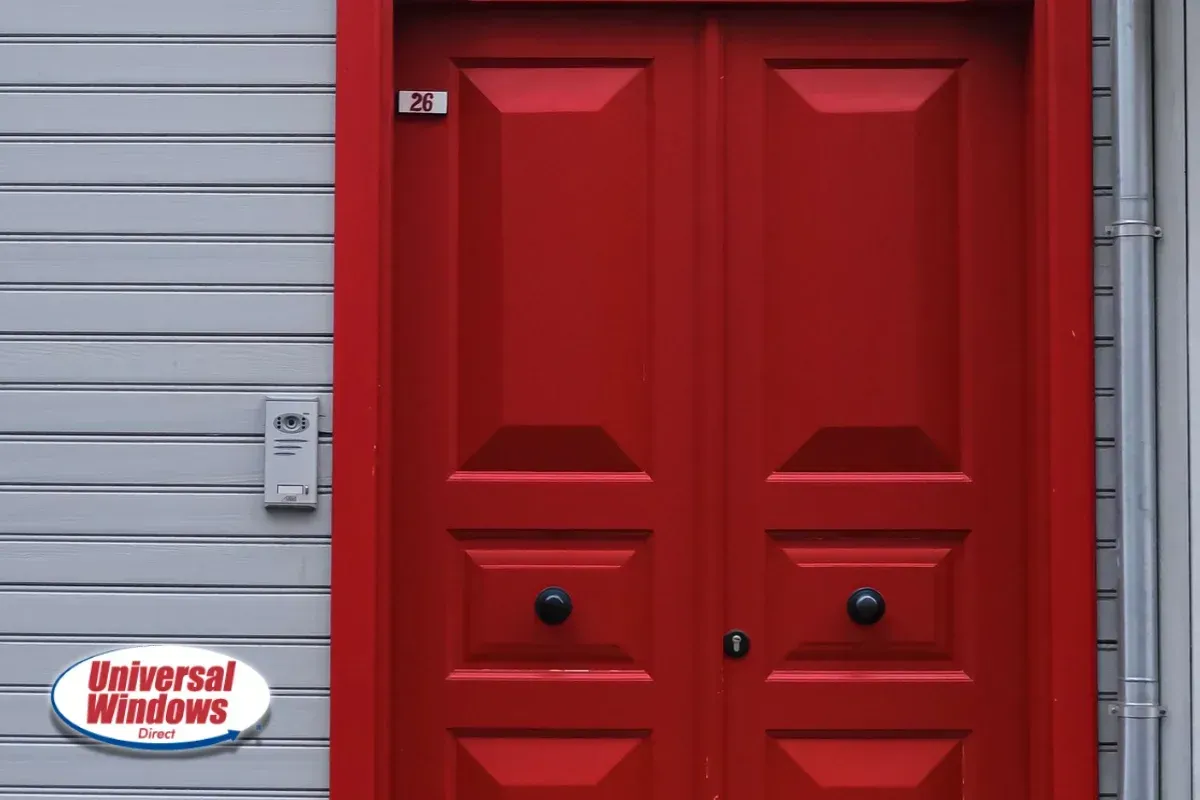
You have two approaches when refinishing: work with the door on its hinges or remove the slab entirely. Each has trade-offs in Syracuse conditions.
- Repainting in place maintains security overnight and avoids the hassle of removing storm doors or temporary barriers during cold months. Less disruption overall.
- The downsides of working in place include difficulty sanding edges evenly, needing plastic sheeting to control dust around the entryway, and awkward reach around hinges and weatherstripping.
- Removing the slab lets you lay it flat on sawhorses. This gives better control over drips and runs, allows even sanding across the entire surface, and makes it easier to seal the top and bottom edges that are often neglected.
- If you remove the door, plan a same-day coating schedule so you can rehang it before nightfall. Some homeowners rely on a temporary plywood panel or a storm door to preserve security while the slab dries.
- In homes built prior to 1978, existing paint layers may contain lead. Under the EPA Renovation, Repair, and Painting (RRP) Rule, any contractor performing work that disturbs lead-based paint must be Lead-Safe Certified and utilize containment and HEPA-shrouded equipment to prevent toxic dust exposure. Even for a DIY project, use containment methods, wear a proper respirator, and clean up debris thoroughly.
Read How to Improve Energy Efficiency for Entry Doors in Syracuse, NY
Step-by-Step Overview: Prepping and Refinishing Different Types of Entry Doors
Surface preparation is essential for door refinishing regardless of material. Skipping prep is the single most common reason finishes fail early. The process varies by material, so here is a high-level overview.
Solid wood doors: Clean the surface thoroughly. Wipe the door with a microfiber cloth before applying stain or paint. For restaining, strip the old finish down to bare wood using a chemical stripper or heat gun, then start sanding with 80-grit sandpaper to remove remaining residue. Progress to finer grits for a smooth surface. Fill small cracks with exterior wood filler. Restaining is ideal for solid wood doors with attractive grain that needs preservation. Apply your chosen stain color, but test stain colors on a small patch before committing to the full slab. Gel stain is ideal for vertical surfaces because it resists running. Finish with a marine-grade spar urethane or varnish as a top coat. Varnish is a strong finish for exterior doors, and you should apply multiple coats of varnish for best protection. Allow each coat of stain to dry fully before closing the door.
Steel front doors: Light sanding or scuffing gives the surface tooth for paint adhesion. Remove any rust with a wire brush and apply a rust-inhibiting metal primer. Follow with two coats of high-quality exterior acrylic or alkyd paint. Steel doors usually require paint because stain cannot penetrate metal. Avoid darker shades on sun-exposed steel slabs to minimize heat buildup and potential warping.
Fiberglass entry doors: These are versatile because many accept both paint and stain. Clean gently and de-gloss with a sanding sponge or liquid deglosser. If the door has a wood-grain texture, manufacturer-approved stain kits create a traditional wood look. For paint, use exterior acrylic latex designed for fiberglass. Staining without a protective topcoat may not provide sufficient weather protection for doors, so always seal with a clear coat.
Wood and fiberglass doors can be painted or stained while steel doors usually require paint. Proper surface prep includes removing old paint, sanding, and using an exterior primer before applying your finish coats.
A few universal rules apply to every material:
- Remove all the hardware except door hinges before refinishing. Taking off the lockset, deadbolt, and any decorative elements lets you achieve crisp lines and avoids bonding finishes to moving parts.
- Apply multiple coats, allowing adequate drying time between each. The ideal temperature for applying exterior coatings is usually between 50 and 85 degrees Fahrenheit. In Central New York, this typically means late spring through early fall.
- Three coats of paint or two coats of stain plus a topcoat is a common combination for lasting results.
- Patience between coats is crucial. Rushing leads to bubbling, peeling, and a job that looks amateur within months.
When Restaining or Repainting Isn't Enough: Signs You Need a New Entry Door
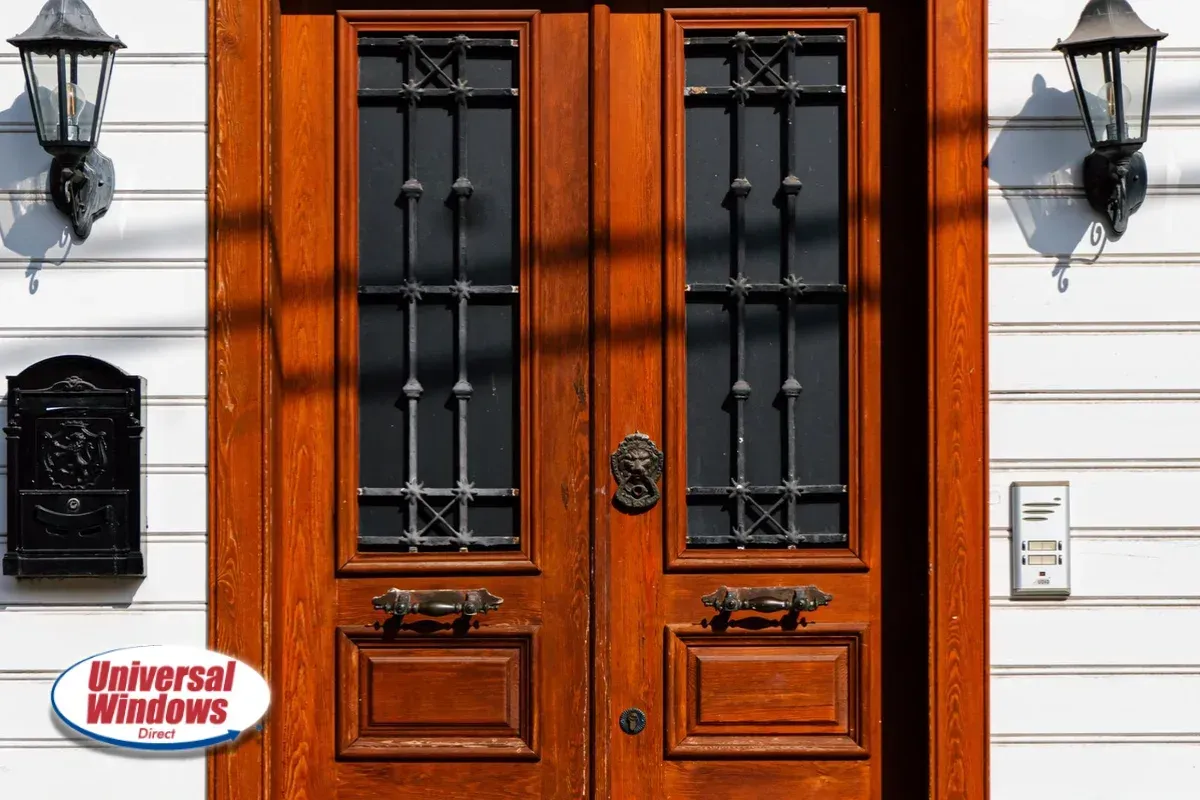
Paint and stain are cosmetic layers. They cannot restore a door that has failed structurally or no longer performs its basic functions. Here are the indicators that a door installation or full replacement is the smarter investment.
- Severe rot in the frame, sill, or bottom rail compromises security and weather sealing. No amount of filler or polish will restore structural integrity once the wood has gone soft.
- A warped slab that no longer sits flush against weatherstripping creates chronic drafts. If you feel cold spots on the floor near the door during winter or notice condensation between decorative glass panes, the door is failing thermally.
- Compromised door hardware, including cracks around locksets or a misaligned deadbolt, signals that the frame or slab can no longer support secure locking. This is a safety issue that refinishing cannot address.
- Older doors without modern weatherstripping, insulated foam cores, or energy-efficient glass will never match current performance standards, even with a fresh coat of paint. While a traditional solid wood door typically provides an energy rating around R-1.5 to R-2.5, modern insulated steel or fiberglass doors with polyurethane foam cores achieve R-5.0 to R-10.0+, significantly reducing heat loss during Syracuse winters.
- If you want a completely new style, larger glass panels, sidelites, or a different configuration, a full door replacement is the only path. Refinishing preserves character but cannot create a new design.
Code, Safety, and Practical Considerations for Exterior Doors in Syracuse
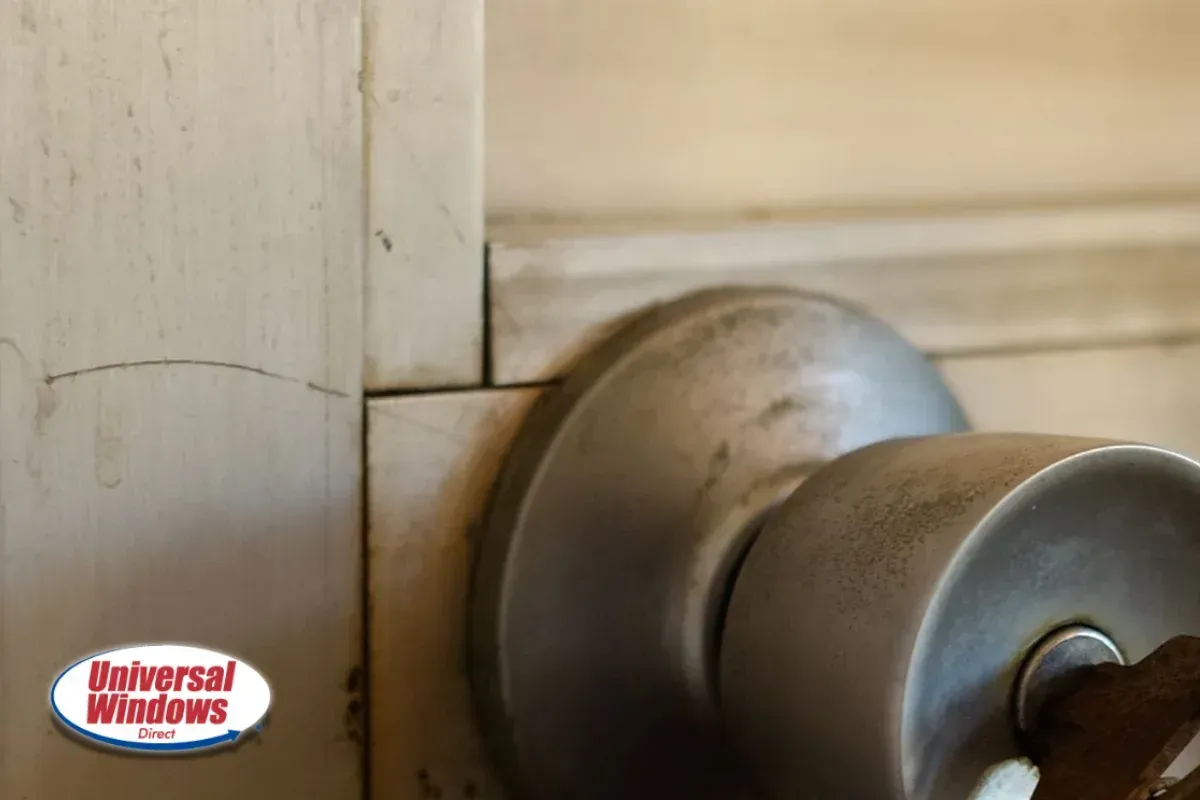
Refinishing an exterior door in Syracuse means working within applicable building and fire-safety standards. Here are practical details to keep in mind.
- The main entry door must open easily from the inside without a key. Refinishing work, especially heavy paint buildup on edges, must not interfere with latches, deadbolts, or required egress clearances. Double check that the door operates smoothly after each coat dries.
- Never paint weatherstripping or moving strike plates. Bonded paint on these components affects proper sealing and door function.
- Glazing in or immediately adjacent to entry doors must comply with hazardous location safety glazing requirements (tempered or laminated glass) under the 2020 Residential Code of New York State (R308.4). Refinishing should not alter or cover permanent safety labels on glazing.
- Use low-VOC, exterior-rated products where possible. Follow all manufacturer instructions for safe application and curing.
- Consult local building officials or a professional door installation service before altering structural components like framing or thresholds. What seems like a simple restoration project can trigger code requirements if you change the opening size or configuration.
Budgeting, Timing, and Choosing Between DIY Refinishing and Professional Help
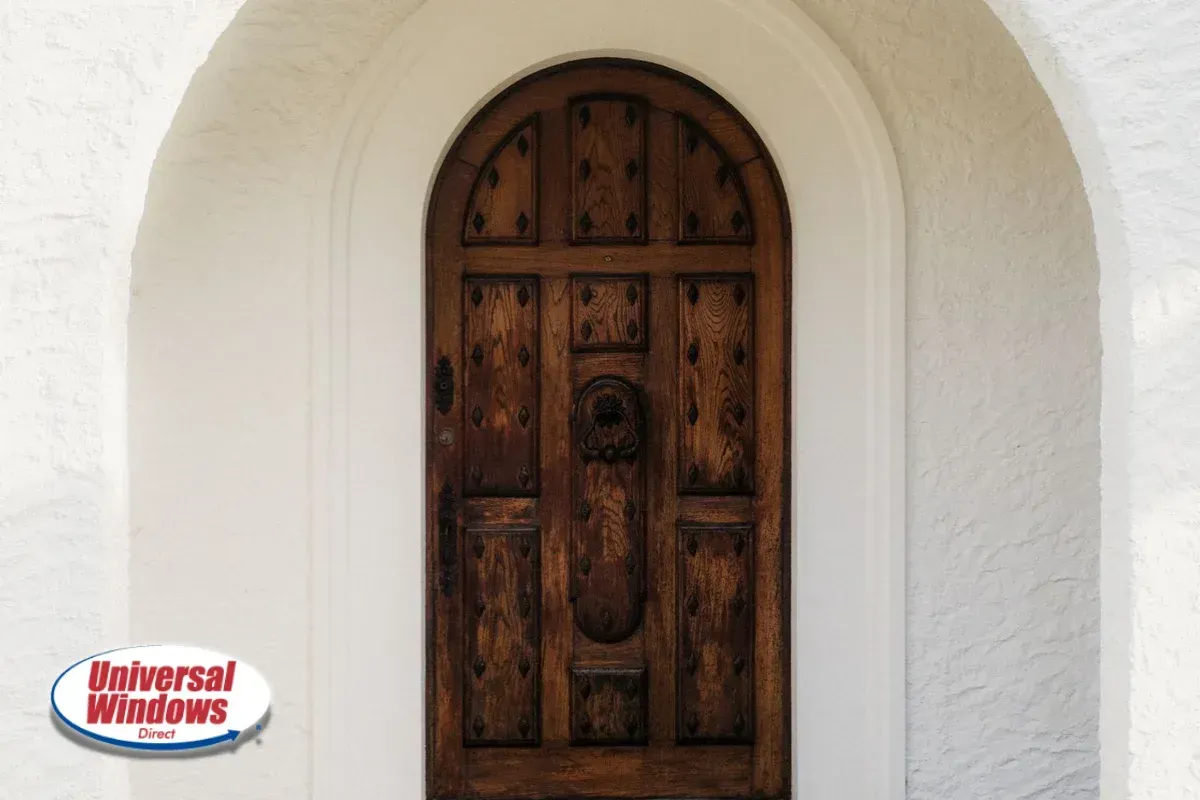
The cost and time commitment of refinishing versus replacing a door is worth mapping out before you start.
- DIY materials for a single door, including sandpaper, primer, exterior paint or stain, brushes, and a clear topcoat, typically run between one hundred and three hundred dollars. Refinishing doors can save up to 70 percent compared to replacement, making it a compelling option when the door is structurally sound.
- A simple repaint can be completed over a weekend. Restaining projects with multiple coats and drying windows may stretch across three or more days, especially in humid conditions.
- DIY repainting works well for reasonably handy homeowners with solid, undamaged doors. Hire a professional when the door is large, heavily detailed, or seriously weathered. Local professionals provide exterior painting and staining services, and contractor selection should consider experience with specific door materials like wood, fiberglass, or steel.
- If the door is already difficult to close, leaks air, or feels cold to the touch in winter, your money may be better spent on a professionally installed, energy-efficient replacement unit.
- Document before-and-after photos and maintenance dates. Tracking how long each finish holds up lets you determine the best maintenance schedule for your specific exposure and explore whether your next cycle should be another refinish or a full upgrade.
Entry Doors in Syracuse, NY - Universal Windows Direct of Syracuse
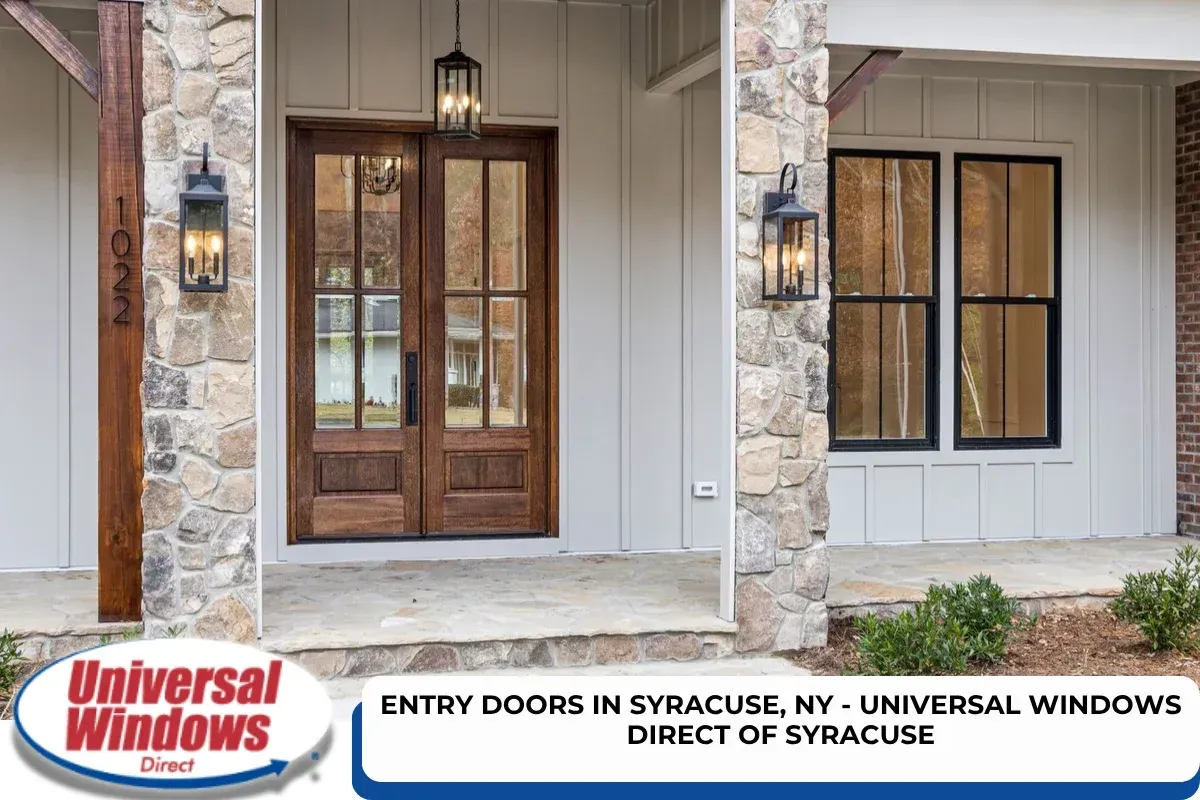
At Universal Windows Direct of Syracuse, we specialize in the replacement and installation of high-performance entry doors built to handle everything Central New York throws at them. We help homeowners decide whether repainting an existing door makes sense or whether a new, energy-efficient system will save more money and hassle over the long run. Our entry doors feature durable factory-applied finishes engineered for heavy snow, UV, and temperature swings, along with secure door hardware options and professional door installations that seal out drafts from day one. We service Syracuse and the surrounding areas with honest advice and no-pressure consultations. Contact us today by calling (315) 288-6855 or filling out our contact form to schedule your free estimate for new entry doors in Syracuse, NY. Let us help you enhance your home with beauty, security, and lasting performance.
Frequently Asked Questions
How Often Should I Plan to Repaint or Restain My Entry Door in Syracuse?
Plan on restaining a south- or west-facing wood door every two to four years under full sun exposure. Painted doors in sheltered locations can stretch to four to seven years before the finish shows meaningful wear. Exposure level, product quality, and color choice all influence longevity. A darker shade fades and breaks down faster than a lighter one. Maintaining the finish on stained doors typically requires reapplying a clear protective coat between full restaining cycles. An annual spring inspection is smart; look for early signs of peeling, hairline cracks, or failed caulk around the frame so you can touch up before deeper damage develops.
Which Paint or Stain Sheen Works Best on a Front Door?
Semi-gloss is the most popular sheen for exterior doors because it balances washability, durability, and appearance. It resists moisture well and cleans up easily without showing every fingerprint. High gloss delivers a dramatic, polished look but highlights surface imperfections like dents, brush marks, and filler patches. Satin offers a softer appearance and hides minor flaws better, though it may not repel grime as effectively. For stained doors, match your topcoat sheen to your home's exterior trim to create a cohesive curb appeal. Whichever sheen you choose, make sure the product is rated for exterior use and includes UV inhibitors for Syracuse conditions.
Will Adding a Storm Door Help Protect My Newly Refinished Front Door?
A storm door acts as a shield against rain, snow, and UV, and it can meaningfully extend the life of a new paint or stain job on your main slab. However, there is an important caution: a dark-painted door sitting behind clear glass in full sun can overheat dramatically. In full sun exposure, air trapped between a glass storm door and a dark main door can reach $160^\circ\text{F}$ to $200^\circ\text{F}$, which can blister paint, melt vinyl weatherstripping, or warp door components. If you install a storm door, choose one with ventilation options or retractable glass, and use finishes rated for high-heat applications. Always follow manufacturer guidelines when pairing storm doors with insulated entry systems.
Can I Change the Color of My Existing Door Without Replacing It?
Absolutely. Changing the color is one of the most common reasons homeowners repaint, and it can dramatically update curb appeal at a fraction of the cost of a new door. The prep process is the same whether you are refreshing the current shade or going in a completely new direction. If you are switching from a darker color to a lighter one, or vice versa, apply a tinted primer first to ensure the new color covers evenly without bleed-through. Coordinate your new door color with your siding, shutters, and roof tones for a pulled-together look. Even a subtle shift in hue can restore the beauty and character of an older home.
What Is the Best Way to Protect a Refinished Door from Kids, Pets, and Daily Wear?
Start with a durable finish; varnish or polyurethane topcoats hold up better than flat paint against scratches and scuffs. Adding a metal kick plate near the bottom of the door protects the most vulnerable area from shoes, paws, and strollers. Place a quality door mat on both sides to trap grit that would otherwise grind into the finish. Wipe down the door regularly with a damp cloth and mild cleaner to remove dirt before it embeds. Touch up scratches promptly to keep moisture out of exposed wood or metal. When damage becomes frequent or deep enough that touch-ups no longer hold, a replacement door with a tough factory-applied finish may be the more practical long-term move.
Disclaimer: This article provides general information on refinishing and replacing entry doors and does not constitute legal, code, or professional advice. Verify all details with local building officials or a qualified contractor before beginning any door refinishing or replacement project in Syracuse, NY.
Read Will Replacing My Front Door Improve Home Value? Benefits of Entry Doors in Syracuse, NY
For a Free-No Obligation Estimate for Uni-Shield replacement windows in your home give Universal Windows Direct of Syracuse a call at 315-288-6855 or visit us at UniversalWindowsSyracuse.com. Universal Windows Direct of Syracuse carries the Uni-Shield line of energy efficient Bay and Bow windows. With many options of size, color and shapes our design consultants can create a bay or bow window to beautify your home. Call now or fill out our contact form on our website to arrange a free no-obligation consultation. Energy-efficient windows, siding, and doors at value-added pricing direct to the homeowner. 0% financing is always available. We are professional contractors that specialize in windows, siding, and Syracuse doors installation. Call now to schedule a quote.